Category: Uncategorized
-

Why Speed Isn’t Strategy – Patience and Precision Are. Today’s SEO world obsesses over fast answers, quick wins, and rapid hacks. But real strategic authority – especially in the age of complex discovery systems – isn’t just about doing SEO.It’s about diagnostic patience: the ability to stop optimizing for answers and start optimizing for understanding.…
-
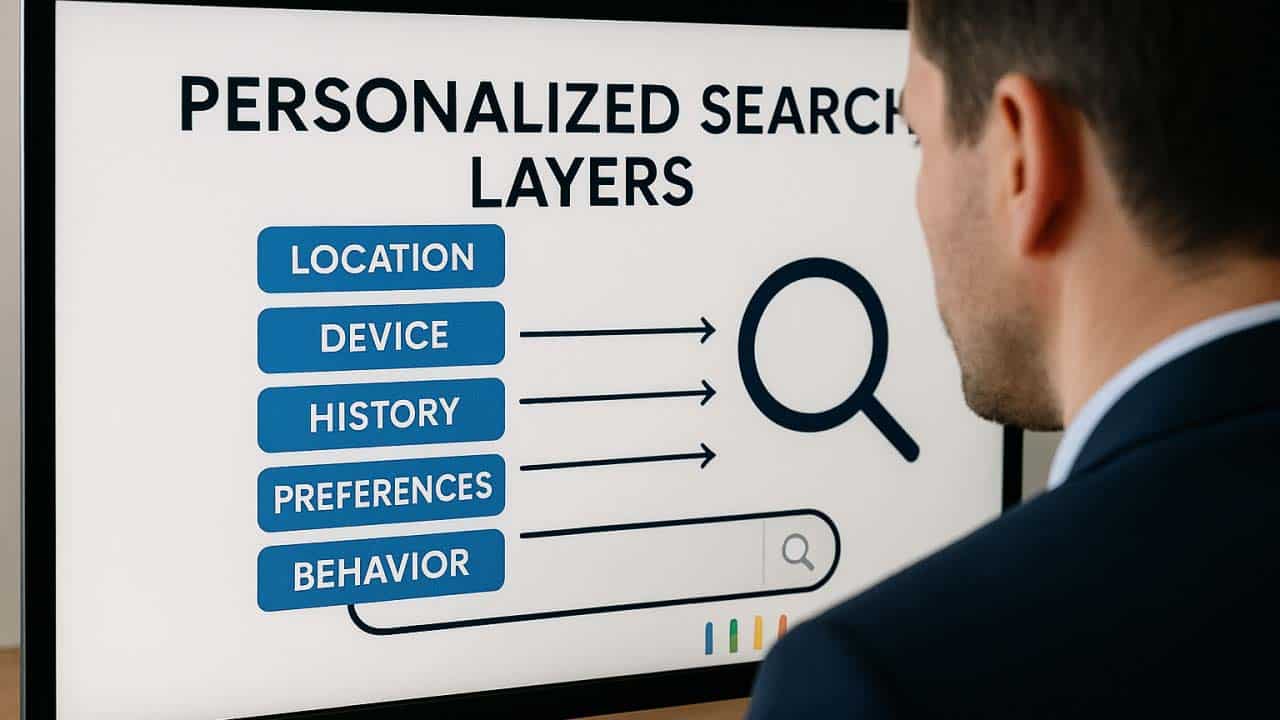
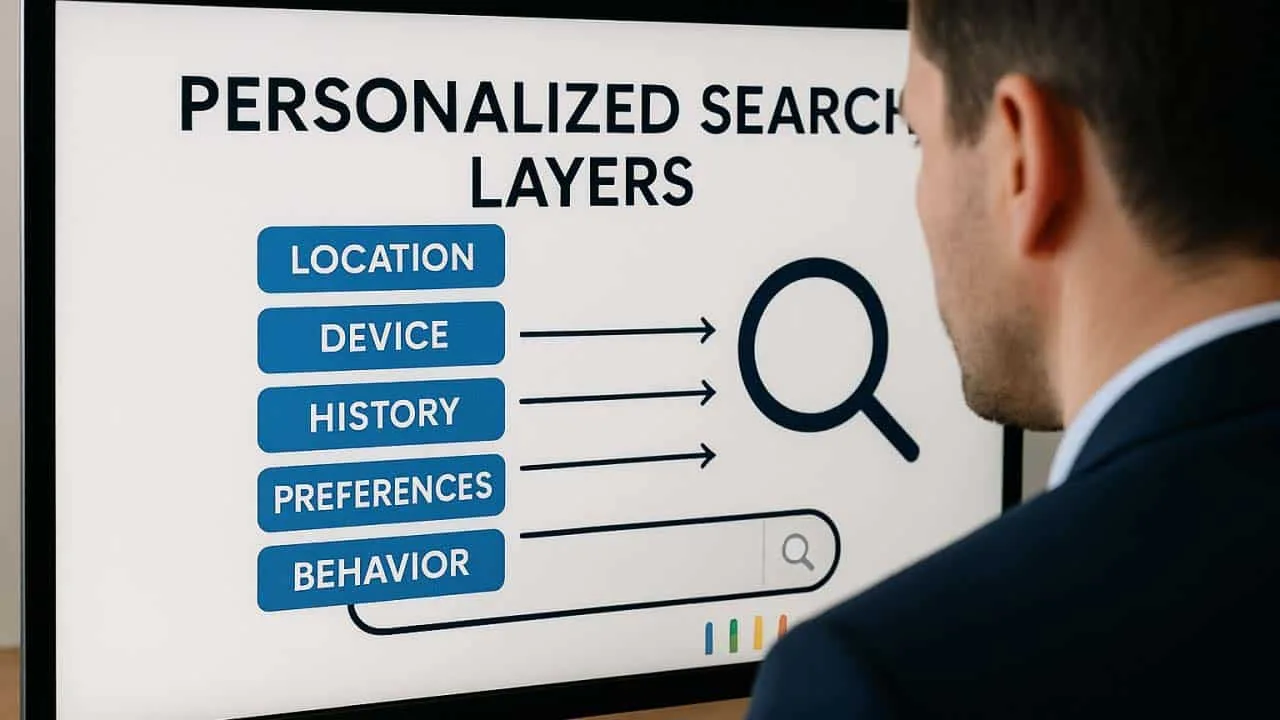
Why Search Success Is No Longer Universal – It’s Individual In the early days of SEO, visibility was a state: rank here, rank there.Then visibility became about connection: presence without clicks.Now – in the age of AI and predictive systems – visibility is becoming personalized. Not just: But: “Is this *the right answer for this…
-

Why Location and Context Have Always Been Part of Search Architecture Every few years, the industry announces a “new discipline.” Now it’s GEO. Before that, it was voice search.Before that, mobile-first.Before that, structured data. But GEO – Generic Engine Optimization – is not new. It is simply SEO applied to a retrieval layer where context…
-
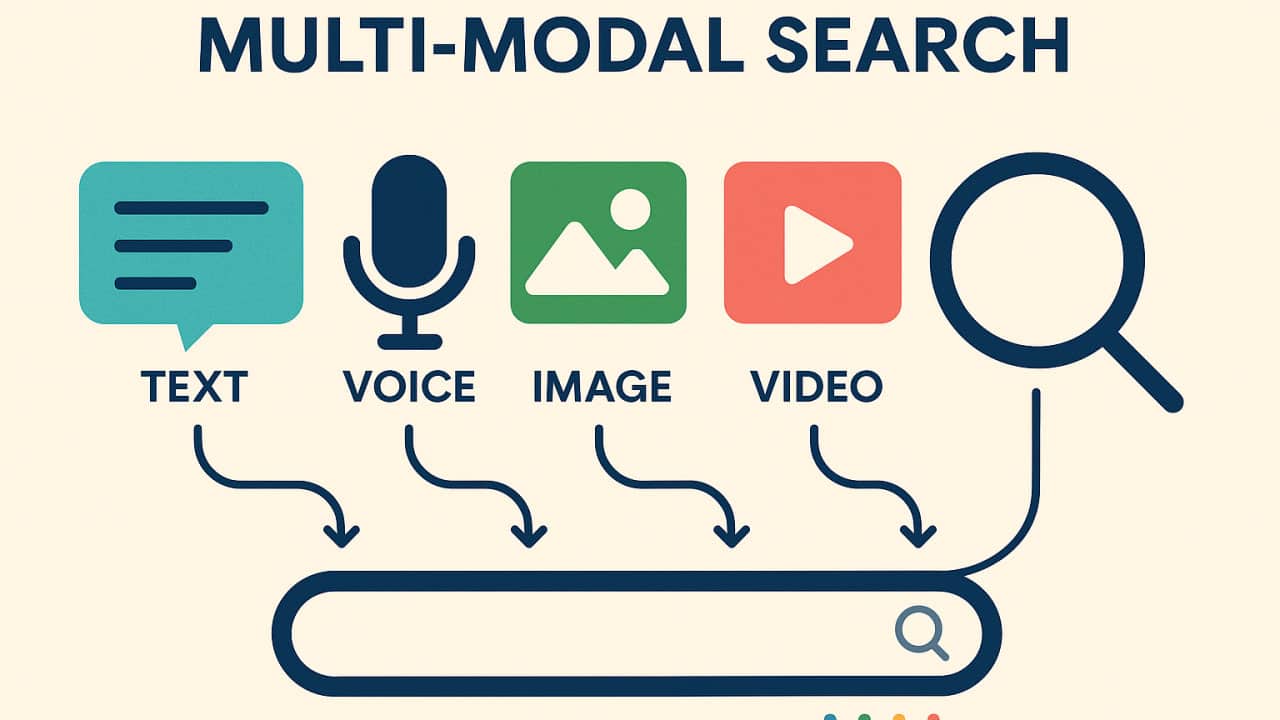
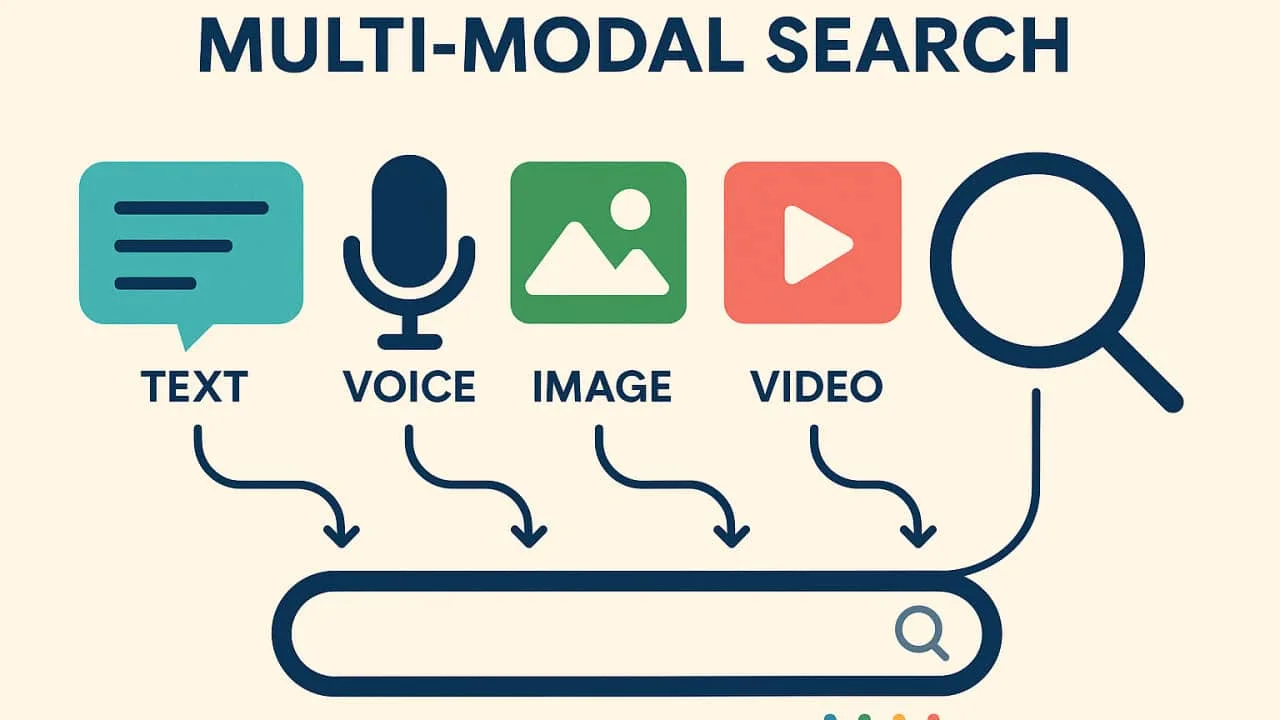
Why Search Is No Longer Just About Text In the old paradigm, search was defined by typed text in a box. But today’s discovery ecosystem speaks in a multitude of inputs. Users don’t just ask – they show, speak, point, and contextualize. And discovery systems aren’t just reading text – they’re synthesizing signals across modes…
-

Why Traditional Traffic Metrics No Longer Define Search Success In the era of AI-driven discovery, visibility no longer begins and ends with clicks. A “zero-click surface” – a place where the answer, insight, or brand presence appears without requiring a user to navigate to your page – has become a primary battleground for attention and…
-

Reframing Search Authority for the AI Era Published: January 12, 2026 (LinkedIn) | Extended for Insights Version The world of digital discovery has stopped being about matching words. It’s now about understanding reality. Entities – real-world concepts like companies, people, products, locations, and ideas – are the atoms of modern search systems. They serve as…